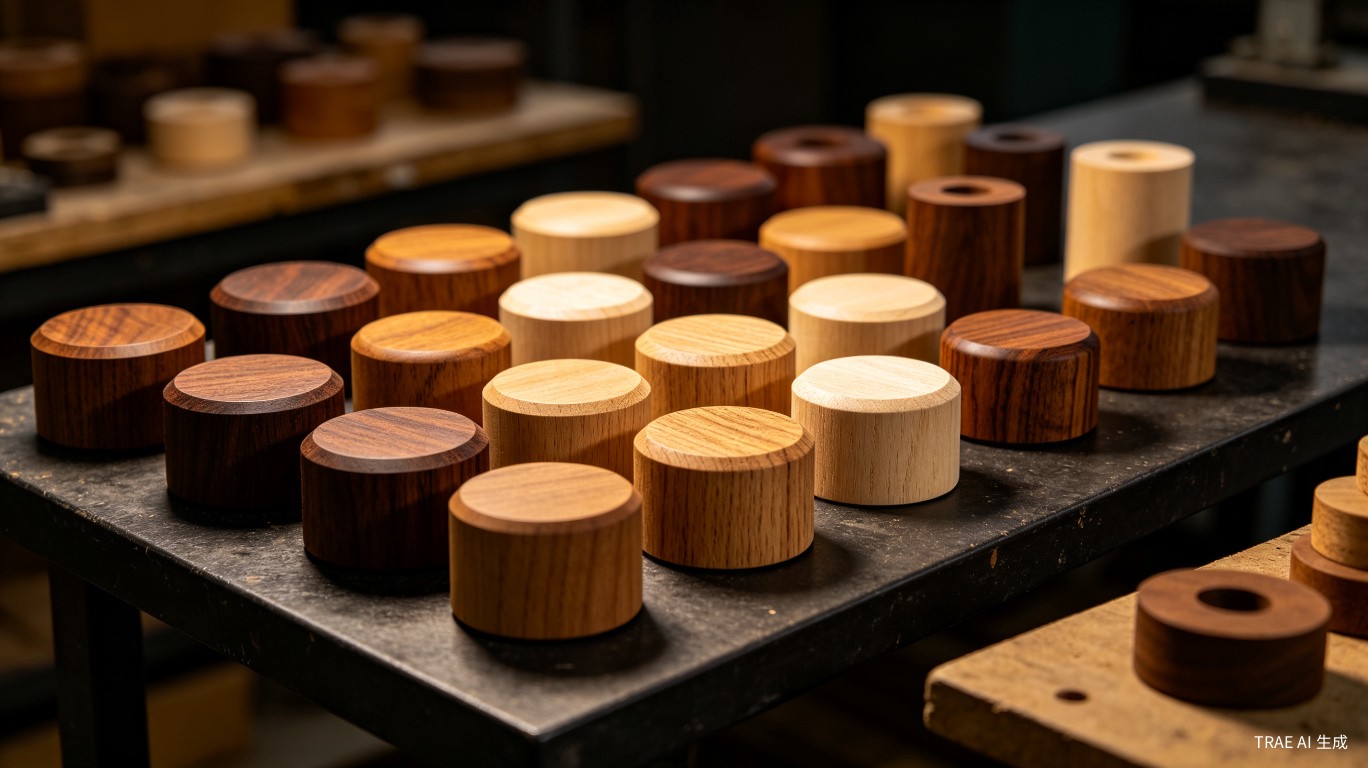
The global fragrance packaging market is projected to reach $12.4 billion by 2026, growing at a CAGR of 4.8%. Within this expanding market, wooden components represent one of the fastest-growing segments, driven by sustainability mandates, premiumization trends, and evolving consumer preferences.
1. Sustainability as a Market Driver
Environmental regulations are no longer optional considerations — they are reshaping the entire packaging landscape. The EU's Packaging and Packaging Waste Regulation (PPWR), set for full implementation by 2030, requires all packaging to be recyclable or reusable.
Wooden packaging naturally aligns with these mandates. Unlike plastic alternatives, wood is biodegradable, renewable, and carries strong eco-credentials that resonate with modern consumers. Major fragrance houses including Chanel, Dior, and Gucci have already transitioned select product lines to wood-accented packaging.
2. The Premiumization Wave
Post-pandemic consumer behavior has shifted toward 'affordable luxury' and 'conscious consumption.' Consumers are willing to pay 20-35% premiums for products with perceived higher quality and sustainability credentials.
Wooden caps and boxes signal craftsmanship, authenticity, and permanence — qualities that plastic cannot replicate. This tactile and visual premium has made wood the material of choice for niche perfume brands and limited-edition collections.
3. Regional Market Dynamics
Europe: Leading in sustainability regulations. France, Germany, and Scandinavia show strongest demand for FSC-certified wooden packaging.
North America: Premium home fragrance segment (candles, diffusers) driving wood lid demand. US market prefers lighter woods (maple, ash) with natural finishes.
Middle East: Ultra-luxury segment prefers dark woods (ebony, wenge) with gold/brass hardware. High willingness to pay for craftsmanship.
Asia-Pacific: Fastest-growing market. China and Japan showing increasing preference for minimalist wood-glass combinations.
4. Supply Chain Considerations
The wooden packaging supply chain faces unique challenges:
- Raw material volatility: Timber prices fluctuate with forestry policies and climate events
- Seasonal production: Chinese New Year causes 4-6 week production halts
- Quality consistency: Natural wood variation requires experienced QC processes
Working with established manufacturers who maintain 3-6 month raw material inventories mitigates most supply risks.
5. Future Outlook
By 2027, industry analysts predict wooden components will capture 18-22% of the premium fragrance packaging market, up from 12% in 2023. Key growth drivers include:
- Wider adoption of FSC and PEFC certifications
- Advances in water-based finishing technologies
- Integration of smart packaging (NFC tags embedded in wood)
- Direct-to-consumer brands seeking differentiation through packaging
Conclusion
The fragrance packaging market's shift toward wooden components is not a temporary trend — it reflects fundamental changes in consumer values and regulatory frameworks. Brands that invest in wooden packaging capabilities today will be well-positioned as the market continues its premiumization and sustainability trajectory.